
Address: No.2 Sanheng Road, Dabu Road, Qinghu Village, Junhe Street, Baiyun District, Guangzhou City

How to Choose the Right Stage Lighting for Your Venue
Practical guide for venue owners and lighting designers: room constraints, fixture types, photometrics, DMX, IP ratings, sourcing.
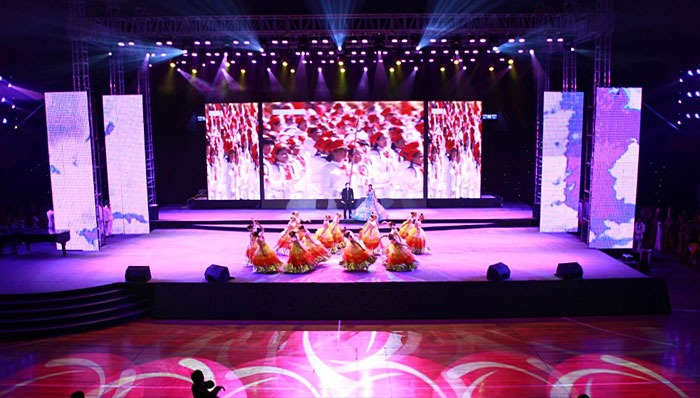
How to choose stage lighting for a venue comes down to matching fixtures to the room’s geometry, the power available, and the range of events the space will host. A high-lumen spec sheet is meaningless if the beam angle is wrong for the throw distance, and a powerful moving head is wasted if the venue’s data infrastructure cannot control it. The practical order is simple: measure the room, define the fixture functions, check the output data, then verify power and control.
This guide follows that order and points out the details that usually get missed when a lighting package is put together too quickly.
Start With the Venue, Not the Fixture
Walk the room before opening any product catalog. Measure the width and depth of the stage, the ceiling or truss height, and the distance from the front-of-house position to the downstage edge. Note where power drops and data ports actually are, not where an old drawing says they are. These measurements decide the beam angles, zoom ranges, and fixture counts you need.
Then list the events the venue accepts. A theatre running plays needs profile fixtures with gobos and a clean front wash. A music venue needs beam and effect fixtures for aerial looks. A corporate hall needs bright, quiet wash fixtures with good color rendering. A multi-purpose venue needs fixtures with wide zoom ranges and multiple modes, because the same unit may close a gala dinner and open a live show the next night.
How to Choose Stage Lighting by Fixture Type
Once the room is defined, sort fixtures by function. Most modern rigs combine wash, spot, beam, and effect families, with a few special-purpose units added where the budget allows.
- Wash fixtures (LED pars and wash moving heads) provide even color coverage and general illumination.
- Spot or profile fixtures use gobos, iris, and framing shutters for theatre, corporate branding, and precise stage areas.
- Beam moving heads produce narrow, intense aerial beams typical of concert and club looks.
- Effect fixtures (strobes, lasers, flower effects) add texture for transitions and musical peaks.
- Follow spots support a lead performer, especially in theatres and rental events.
For venues that cannot dedicate a large budget to single-use fixtures, LED moving heads are a practical middle ground. Many models combine beam, spot, and wash modes in one head, which is especially useful in multi-purpose rooms. A source factory such as YC Light lists more than 153 models across 13 product categories, including an LED moving head light range that can be filtered by these modes. Compare the actual photometric curves rather than the product name.
| Fixture type | Best for | Key data to check | Typical mounting |
|---|---|---|---|
| LED par / wash | Even stage and set wash, backlight, color backgrounds | Beam angle, lumen output, CRI | Floor, pipe, or bar |
| Beam moving head | Sharp aerial looks, club and concert effects | Beam angle, output in lux or foot-candles at distance | Truss or roof |
| Spot / profile moving head | Gobos, framing, theatre and corporate work | Zoom range, gobo count, prism options | Truss or front of house |
| Hybrid / multi-mode moving head | Multi-purpose venues with one flexible rig | Availability of beam, spot, and wash modes | Truss or roof |
| Strobe / effect | Transitions, accents, festival and stage texture | Controllable segments, output intensity | Stage rear or side |
Read the Photometric Data Before Comparing Prices
Two fixtures with identical wattage can look completely different in the same venue. What matters is the measured output at the distance where the light lands. Compare lux or foot-candles at a stated distance, usually 5 m or 10 m, and check whether the beam angle and zoom range cover the stage width from the intended mounting position.
Check color temperature and CRI, especially if the venue hosts corporate video or broadcast work. A tungsten wash source sits near 3200 K, daylight sources near 5600-6000 K, and LED fixtures should list a CRI rating when skin tone accuracy matters.
Consider operating life as well. LED engines generally outlast discharge lamps, and that affects the long-term maintenance budget even when the initial purchase price is higher.
How to Choose Stage Lighting That Works With Your Power and DMX Setup
Add the power draw of every proposed fixture and compare it with the available circuits. A rig that looks reasonable on paper can exceed the venue’s breaker capacity once heaters, sound, and stage machinery share the same feed. Count the current per phase and separate the lighting load where possible.
For control, DMX512 is the common standard, carrying up to 512 channels per universe. Count the channels per fixture and plan how many universes you need. If the fixtures support RDM, remote addressing and status monitoring are simpler during installation. Plan the data cabling with proper termination and avoid running DMX alongside high-power cables over long distances.
Older buildings often have no permanent data lines. In that case, wireless DMX transceivers or battery-powered fixtures can save a large installation cost. The full product list from YC Light includes moving heads, pars, strobes, and battery-operated units, which helps when you need to assemble a rig that avoids new cabling.
Indoor, Outdoor, and Everything In Between
Outdoor stages, theme parks, and open-air rentals require fixtures sealed against water and dust. IP65-rated moving heads and pars survive rain and cleaning without housing modifications. For indoor venues, high IP ratings are not always necessary, but they become valuable if the same fixtures are rented out for outdoor events.
Certification matters even for indoor gear. CE marking covers EMC and LVD requirements, and RoHS restricts hazardous substances in the electronics. A manufacturer that does not provide these documents will struggle with venue inspections and many international projects.
When evaluating a factory, ask about its production and test process. YC Light operates five workshops equipped with SMT PCB lines, optical lens alignment stations, DMX test equipment, high-temperature aging chambers, and IP waterproof testing. Pre-production sample confirmation and final inspection before shipment are standard practice there, and the one-year warranty backs the fixtures after delivery.
Build a Fixture List and Check It Twice
Put everything in a spreadsheet before purchasing. A complete fixture list should include at least:
- Stage dimensions and trim height for each fixture position
- Throw distance to the furthest point of the performance area
- Power consumption per fixture and total load per circuit
- DMX channel count and universe allocation
- Fixture weight and the rating of the rigging points
- Cable runs, connectors, and spare parts
- Spare fixture priority for rental or touring seasons
Compare this list against the venue’s real event calendar, not an ideal one. If the room hosts mostly conferences with occasional concerts, a wash-heavy rig with a few multi-mode moving heads will serve better than a beam-heavy rig that looks impressive only during the closing song.
On the sourcing side, a manufacturer with in-house design capability can customize colors, DMX protocols, and branded packaging through OEM and ODM services. It can also provide stage scheme design, effect rendering, bid design, installation and debugging, and technical training. For rental companies, these services shorten the time between receiving a project and putting lights in the air.
Common Questions When Planning a Stage Lighting Rig
How many lights do I need for a small stage?
For a typical 6 by 4 meter stage with a 4 meter trim height, a practical starting point is 8 to 12 LED pars for the wash, 4 to 6 moving heads for accents and specials, and 2 strobes for effect. Adjust the quantity upward based on the beam angles required and the desired intensity at full stage. The fixture list changes more with throw distance and stage width than with stage area alone.
Should I mix beam and wash moving heads?
Yes, for most multi-purpose rooms. Wash moving heads cover the stage evenly and provide color backgrounds, while beam moving heads add the sharp aerial effects that audiences notice. If budget is limited, hybrid fixtures that switch between beam, spot, and wash modes give a single head the flexibility of a full rig.
Do I need a DMX console if I already use lighting software?
Not necessarily. Laptop-based software with a USB-to-DMX interface works well for small installations and permanent rigs with static shows. A hardware console becomes worthwhile when the venue has regular live events, multiple operators, or a need to change scenes quickly during a performance. Many technicians keep both.
Are IP65 fixtures worth the extra investment for indoor venues?
Only if the fixtures will leave the building for outdoor rentals or if the venue has open areas exposed to weather, such as courtyard stages. Indoors, standard fixtures are lighter and cooler-running, and they cost less. Choose the rating based on where the fixture will actually operate over its lifetime.
The right stage lighting rig is the one that fits the room, the events, and the technical team that runs it. Compare specifications against your venue plan, and let a design engineer review the photometrics before you commit. Contact YC Light with your room dimensions and proposed fixture list to get a stage scheme and equipment recommendation.